
How to Prevent Garage Door Opener Issues in Southwest Florida’s Climate
Discover how Naples homeowners can proactively avoid garage door opener problems in our hot, humid, and salt-air environment. Learn maintenance and troubleshooting tips tailored for Southwest Florida homes.
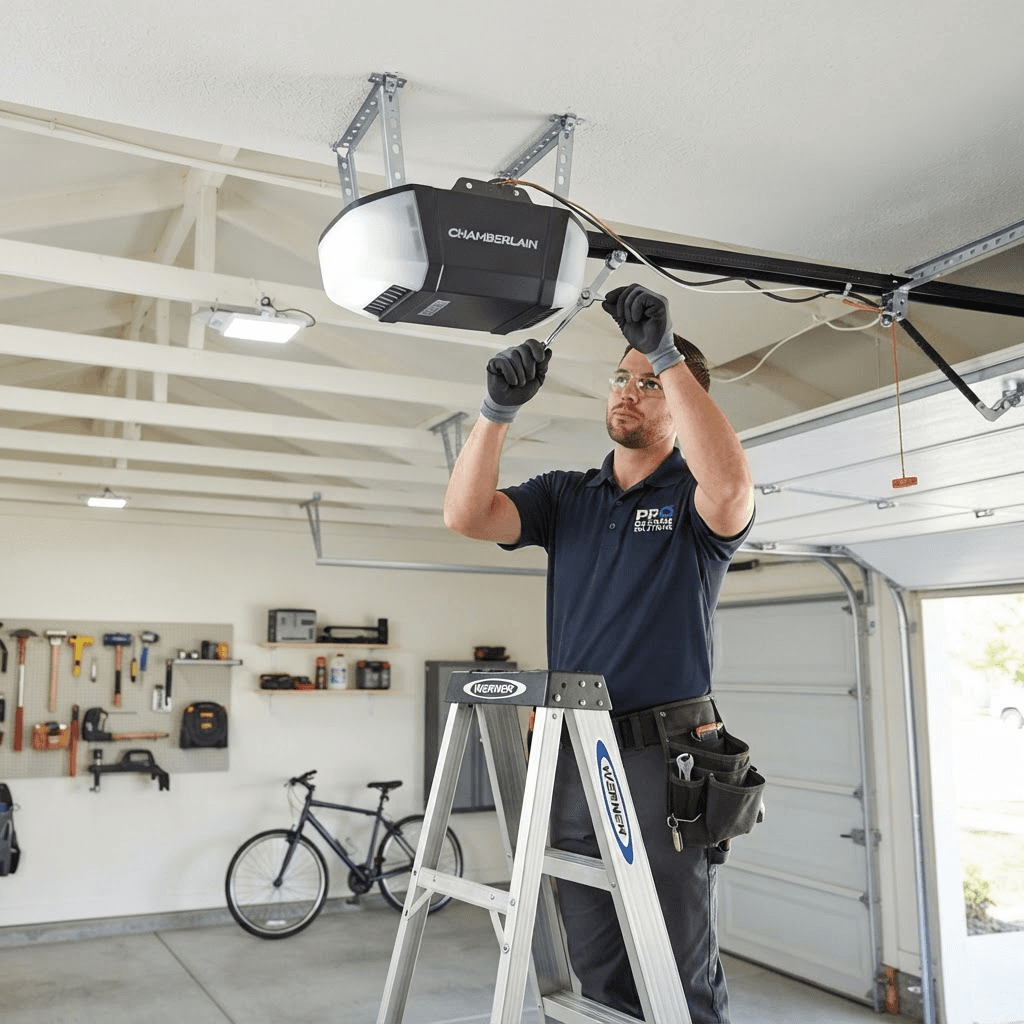
Garage door openers are the unsung heroes of many Southwest Florida homes, providing daily convenience and security. Yet, our region’s intense heat, high humidity, and salty coastal air can make these hard-working devices vulnerable to malfunctions. Proactive care can help you avoid inconvenient breakdowns and costly repairs.
Understanding and preventing garage door opener issues is essential for homeowners in Naples and across Southwest Florida. With unique local climate challenges, simple habits and routine checks can keep your opener running smoothly for years to come.
Why Garage Door Openers Struggle in Southwest Florida
Unlike drier climates, the Naples area heats up year-round—humidity rarely drops and salt-laden breezes from the Gulf accelerate wear on all garage door components, including the opener. Metal parts may corrode faster, plastic housings can become brittle, and sensitive electronics are at risk from both moisture and power fluctuations during storm season.
Common Garage Door Opener Problems—And Their Southwest Florida Triggers
- Opener doesn’t respond to remote or wall control
- Door reverses before fully closing
- Opener motor runs but door doesn’t move
- Unusual grinding, buzzing, or squealing sounds
- Sluggish or inconsistent operation, especially in summer heat
Salt air can corrode circuit boards and connectors inside openers. Humid conditions lead to moisture buildup that triggers erratic behavior or complete failure. Batteries in remotes and wall units may drain faster, and sensors designed for safety can become blocked by condensation or dirt.
Routine Opener Maintenance for Reliable Performance
- Check opener and remote batteries every 6 months—consider replacing them before hurricane season.
- Wipe sensors and control panels with a soft, dry cloth monthly to remove salt, dust, and debris.
- Test the opener’s safety reverse system at the start and end of summer.
- Inspect visible wiring and terminals for rust or corrosion—call a pro if you see green or white fuzzy buildup.
- Use surge protectors for both the opener and WiFi extenders to prevent damage during thunderstorms.
Humidity, Salt, and Electronics: Opener Lifespan Risks
Electronic garage door openers are built to handle daily use, but they’re not indestructible. High humidity can speed up corrosion of terminals inside older openers, leading to malfunction. Salt air enters even closed garages, settling on circuit boards and inside remote transmitters. In Naples and coastal neighborhoods, these issues are especially common in garages that aren’t air conditioned. Protecting electronics with weather-rated covers and regular inspections helps prolong the life of your unit.
Quick DIY Troubleshooting Steps—and When to Call a Pro
- Test your remote batteries and try the wall switch if the opener is unresponsive.
- Unplug and reset the opener after a power surge or outage—a simple reset fixes many issues.
- Clean sensors if your door won’t close; ensure nothing is blocking them, including cobwebs or condensation.
- Listen for grinding or straining noises; these may signal mechanical problems with springs or the opener trolley—don’t force the door if it sticks or jerks.
If your opener frequently needs resetting, stops mid-cycle, or emits a burning odor, call a local garage door professional. These signs indicate more serious electrical or mechanical faults that can’t be fixed safely with DIY maintenance.
“In our experience, the combination of salt air and storm-related power surges is responsible for many opener failures in the Naples area. Staying ahead of problems with inspections saves homeowners stress and money.”
Protecting Your Opener Before Storm and Hurricane Season
- Install or check surge protectors on all garage opener outlets.
- Keep spare batteries and manual release keys in a known, dry location.
- Inspect and reinforce the mounting brackets and ceiling supports before heavy storms.
- Review how to operate your garage door manually—especially if you lose power.
Taking a few minutes to storm-proof your opener each spring and fall can mean the difference between quick access and days of frustration after a hurricane or power loss.
Frequently asked questions
How often should I test my garage door opener’s safety features?
Test the auto-reverse and safety sensors every six months—ideally before and after hurricane season in Southwest Florida.
What is the best way to prevent salt air corrosion in the opener unit?
Wipe external parts monthly, keep the unit dry, and consider a rust-inhibitor spray on mounting hardware. Use surge protection for electronics.
Can I use my garage door if the opener fails after a power outage?
Yes. Every opener has a manual release cord—pull it to operate the door by hand until power is restored or repairs are made.
Why is my opener’s remote range suddenly much shorter?
This can be caused by dead batteries, sensor interference from condensation, or corrosion in remote contacts. Replace batteries and gently clean contacts.
When should I call a professional instead of fixing the opener myself?
If there are burning smells, visible corrosion on circuit boards, or repeated resets without improvement, always call a professional for safe repair.
This article provides general information and is not a substitute for a professional garage door inspection. For guidance specific to your home, contact Titan Garage Door Service & Repair LLC.