
How to Protect Garage Door Hardware From Southwest Florida’s Salt Air
Discover practical ways to safeguard your garage door’s springs, rollers, and hinges from the corrosive effects of Naples’ salty, humid coastal air.
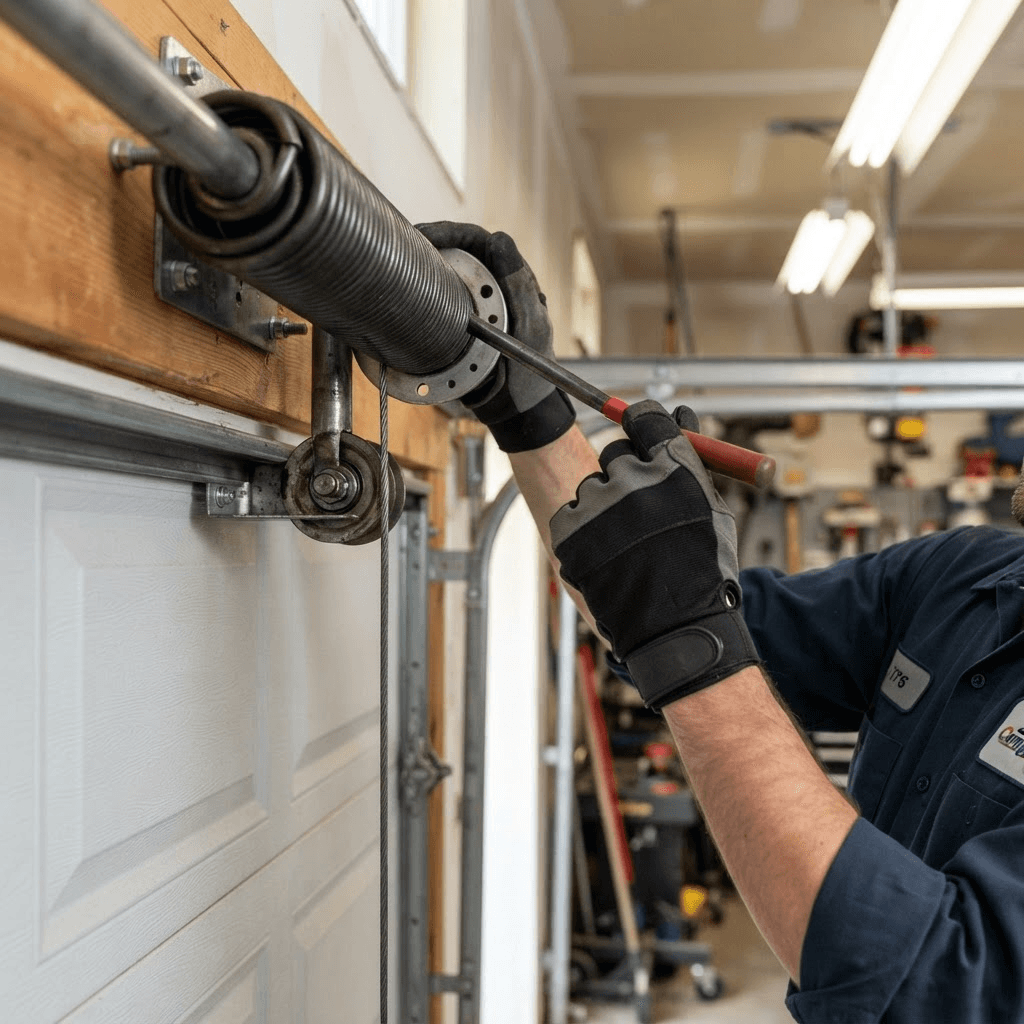
Living in Naples and Southwest Florida offers beautiful beaches, but homeowners know that the same salty, humid air that makes the area special can also be harsh on metal surfaces. One area prone to this unseen enemy is your garage door’s hardware—springs, rollers, hinges, and tracks. Left unprotected, salt air corrosion can lead to costly repairs, stuck doors, or even safety hazards.
Understanding how coastal conditions affect your garage door’s moving parts—and what to do about it—can save you time, money, and frustration. Here’s a comprehensive, locally focused guide to protecting your garage door hardware from salt air, based on real Southwest Florida challenges.
Why Salt Air Targets Garage Door Hardware
Southwest Florida’s coastal air is full of salt carried inland by breezes—especially after storms. This salt settles on exposed metal garage door parts, attracting moisture from the air. Over time, this combination causes rust and corrosion, weakening springs, rollers, hinges, and tracks. When corrosion eats away at these parts, the door may become noisy, stick, or even come off track.
Signs Your Garage Door Hardware is Corroding
- Orange or brown rust on springs or hinges
- Squeaking, grinding, or popping noises
- Difficulty opening or closing the door
- Visible flakes or pitting on metal parts
- Hardware that feels rough or visibly damaged
Routine Maintenance Tips to Combat Salt Air Damage
- Wipe down metal hardware with a damp cloth (use fresh water) every month.
- Inspect all springs, hinges, and rollers for rust or pitting.
- Apply a silicon-based lubricant specifically made for garage door parts every 3-6 months (not WD-40).
- Tighten loose bolts and screws to prevent vibration and extra wear.
- Clean garage door tracks with a soft brush to remove salt and debris.
Consistency is key. Scheduling small maintenance tasks—before corrosion takes hold—can greatly extend the life of your garage door hardware.
Best Hardware Upgrades for Coastal Durability
- Stainless steel screws, rollers, hinges, and torsion springs resist rust better than standard steel.
- Galvanized hardware offers good corrosion protection for less cost than solid stainless.
- Powder-coated parts create a protective barrier against salt air.
- Nylon-coated rollers reduce noise and are less prone to binding—even in humidity.
While initial costs may be slightly higher for corrosion-resistant hardware, they pay off by reducing the need for repeated repairs and replacements—especially in Naples’ climate.
“After replacing my old, rusted rollers with stainless steel ones, my garage door runs quieter and I don't worry every storm season about it seizing up.”
The Role of Professional Inspections in Salt Air Zones
Certain corrosion-related problems—especially with springs or inside tracks—may not be visible to the untrained eye. Local garage door professionals know where to look for early signs of trouble common to Southwest Florida homes, such as hidden pitting, hairline cracks, or seizing bearings. Hiring a specialist for an annual inspection is a simple way to protect your investment and ensure your system is ready for hurricane season.
What to Do If You Suspect Corrosion on Garage Door Hardware
If you spot rust, hear new noises, or notice performance issues, act quickly. Remove minor surface rust gently with a wire brush and reapply lubricant. Don’t attempt to adjust or replace garage door springs or cables yourself—these have dangerous stored energy and require specialized tools. If in doubt, call a licensed garage door technician for inspection and service.
Prevention Pays: Protecting Your Garage Door Hardware for the Long Haul
Naples and Southwest Florida’s coastal beauty is matched by its challenges. With simple, regular care and smart upgrades, your garage door hardware can resist salt air damage for years to come—ensuring smooth operation, quieter performance, and greater peace of mind.
Frequently asked questions
How often should I lubricate my garage door springs and rollers?
In Southwest Florida’s climate, lubricate springs and rollers every 3-6 months with a silicone-based or lithium-based product designed for garage doors.
Can I use WD-40 to protect garage hardware from salt air?
No. WD-40 is a cleaner and water-displacer, not a long-term lubricant. Use products specifically designed for garage doors to maintain smooth function and rust protection.
What type of hardware is best for salt air environments?
Stainless steel or powder-coated hardware provides the best resistance to corrosion from Naples’ salty, humid air.
How do I know if corrosion damage is serious enough to replace parts?
If you notice deep pitting, flaking, or movement issues, call a professional for inspection and safe hardware replacement.
Does a yearly professional inspection make a difference?
Yes. Annual inspections catch hidden damage before it leads to bigger issues—especially important for homes near the Gulf or Intracoastal waterways.
This article provides general information and is not a substitute for a professional garage door inspection. For guidance specific to your home, contact Titan Garage Door Service & Repair LLC.