
How to Quiet a Noisy Garage Door in Naples Homes: Practical Fixes
Dealing with a noisy garage door in Southwest Florida? Discover causes, climate-specific tips, and when to call a pro to keep your garage door running smoothly and quietly.
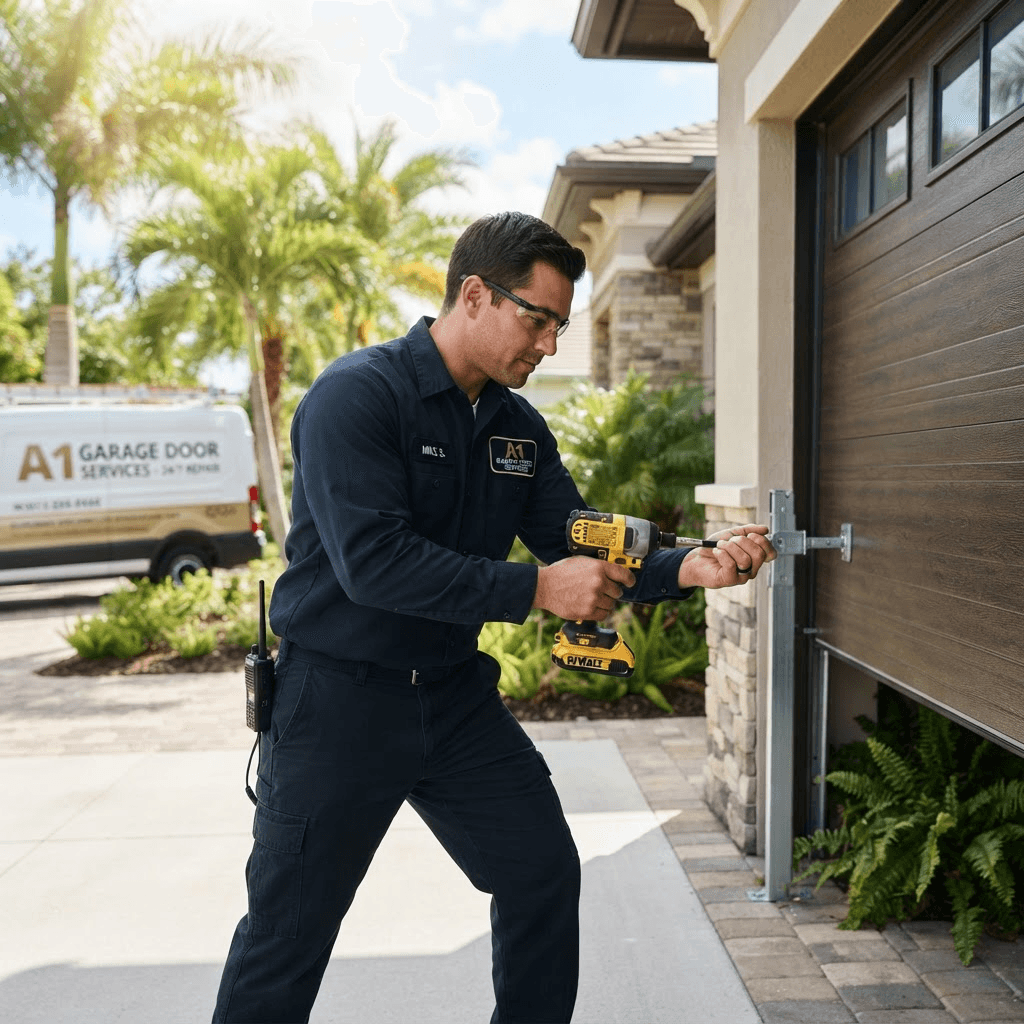
If your garage door announces every opening or closing with screeches, rattles, or banging, you’re not alone—especially in Naples and Southwest Florida, where humidity, heat, and salty air all take a toll on garage door systems. Noisy garage doors can disturb your household, awaken neighbors, and often signal underlying issues that shouldn’t be ignored. Understanding the causes and solutions, especially in our unique regional climate, is key to restoring peaceful operation and prolonging your door’s lifespan.
This guide will walk you through the top reasons garage doors get loud in coastal Florida, what fixes homeowners can try at home, which noises mean it’s time to call a local pro, and how regular maintenance tailored to our weather can keep things quiet year-round.
Why Garage Doors Get Noisy in Southwest Florida
No two noisy garage doors sound exactly alike, but there are a few common causes Southwest Florida homeowners should watch for. Many are made worse by our region's unique combination of salty air, high humidity, heat, and hurricane weather.
- Dried-out or corroded rollers—especially metal rollers exposed to salt air.
- Loose or rusty hardware (hinges, springs, nuts, and bolts) from high humidity.
- Dry or insufficient lubrication on moving parts caused by Florida’s heat evaporating lubricants.
- Worn springs or cables, which can creak or snap loudly under strain.
- Bent, misaligned, or dented tracks from previous storms or accidental bumps.
- Old or cheap opener drives (chain or belt systems) rattling with age.
Step-by-Step: Silencing Your Loud Garage Door
- Visually inspect all hardware—look for rust, wear, or missing screws.
- Tighten bolts, brackets, and hinges with a wrench or socket set.
- Clean tracks with a cloth and mild cleaner to remove grit and salt residue—don’t use grease here, as it collects debris.
- Lubricate rollers, hinges, springs, and bearings with a silicone-based garage door lubricant (avoid WD-40, which can dry parts further in our climate).
- Listen for noise while operating the door: Is it squealing, grinding, banging, or rattling? Track down which part is responsible.
- Check weatherstripping—humidity can cause it to harden or dislodge, leading to slapping or scraping sounds.
- If you have a chain-drive opener, inspect the chain tension. Too loose or too tight can cause extra noise.
Climate-Smart Garage Door Noise Prevention Tips
- Lubricate your garage door hardware quarterly—not just annually, as many national guides suggest. Summer storms and humidity speed up rust and dry out lube faster here.
- Clean hardware with fresh water after any hurricane or tropical storm to flush salt residue.
- Replace metal rollers with nylon rollers for a quieter ride and improved corrosion resistance.
- Seal small gaps and check your garage for signs of invasive salt air—weatherstripping and caulk make a difference.
- Schedule a full professional maintenance check at least once a year, ideally before hurricane season starts.
When Noisy Garage Doors Mean a Bigger Problem
Some noises aren’t just a nuisance—they’re an early warning buzzer for major repair needs. Listen up for these common red flags in Southwest Florida homes:
- Loud banging or snapping (especially from the spring or cable area)—often means a part is failing or has broken.
- Persistent popping or grinding you can’t fix with basic lubrication—may indicate bent tracks or roller damage from repeated humidity exposure.
- Opener straining, clunking, or refusing to move—the motor or drive system could be failing, often worsened by power surges during storms.
- Any water intrusion or corrosion visible after a hurricane or major storm—this can undermine door alignment and hardware stability.
Expert Insight: Why Florida’s Garage Doors Need Extra Attention
““In Naples and coastal communities, garage doors endure more salt and moisture in a season than many Midwest homes see in a decade. Regular inspection, cleaning, and lubrication—just like you’d do for your boat or patio furniture—extend the life of your garage door and opener. Noisy operation is almost always a sign that something needs attention, and fixing it early prevents more costly issues down the line.””
When to Call a Garage Door Professional
You can often quiet your garage door with DIY maintenance, but call a pro if you notice ongoing noise even after following the steps above, or if any major parts (like springs, cables, or the automatic opener) are involved. In Southwest Florida, professional service also ensures salt-resistant parts and proper adjustments for local weather conditions.
Frequently asked questions
What is the main cause of garage door noise in Florida?
The most common cause is dried-out or corroded rollers and hardware, as heat, humidity, and salt air speed up wear and rust on moving parts.
Can I use WD-40 to lubricate my noisy garage door?
WD-40 is not recommended for garage door hardware in Florida: it can dry out and actually attract more grit. Use a silicone-based lubricant instead.
How often should I maintain my garage door in Southwest Florida?
Quarterly lubrication and hardware checks are ideal given our climate—don’t wait for squeaks or grinding to start.
When is it time to replace parts rather than just lubricate or tighten?
If noise persists after maintenance, or if you see rusted, bent, or broken components, it’s time for professional repair or replacement.
Is a noisy garage door dangerous?
Some noises are just annoying, but others—especially loud bangs or snaps—can indicate a failing spring or cable, which are serious safety hazards.
This article provides general information and is not a substitute for a professional garage door inspection. For guidance specific to your home, contact Titan Garage Door Service & Repair LLC.