
How to Spot Early Signs of Garage Door Spring Failure in SW Florida
Learn how to identify early warning signs of garage door spring failure in Naples and Southwest Florida—and what to do before costly damage or safety risks occur.
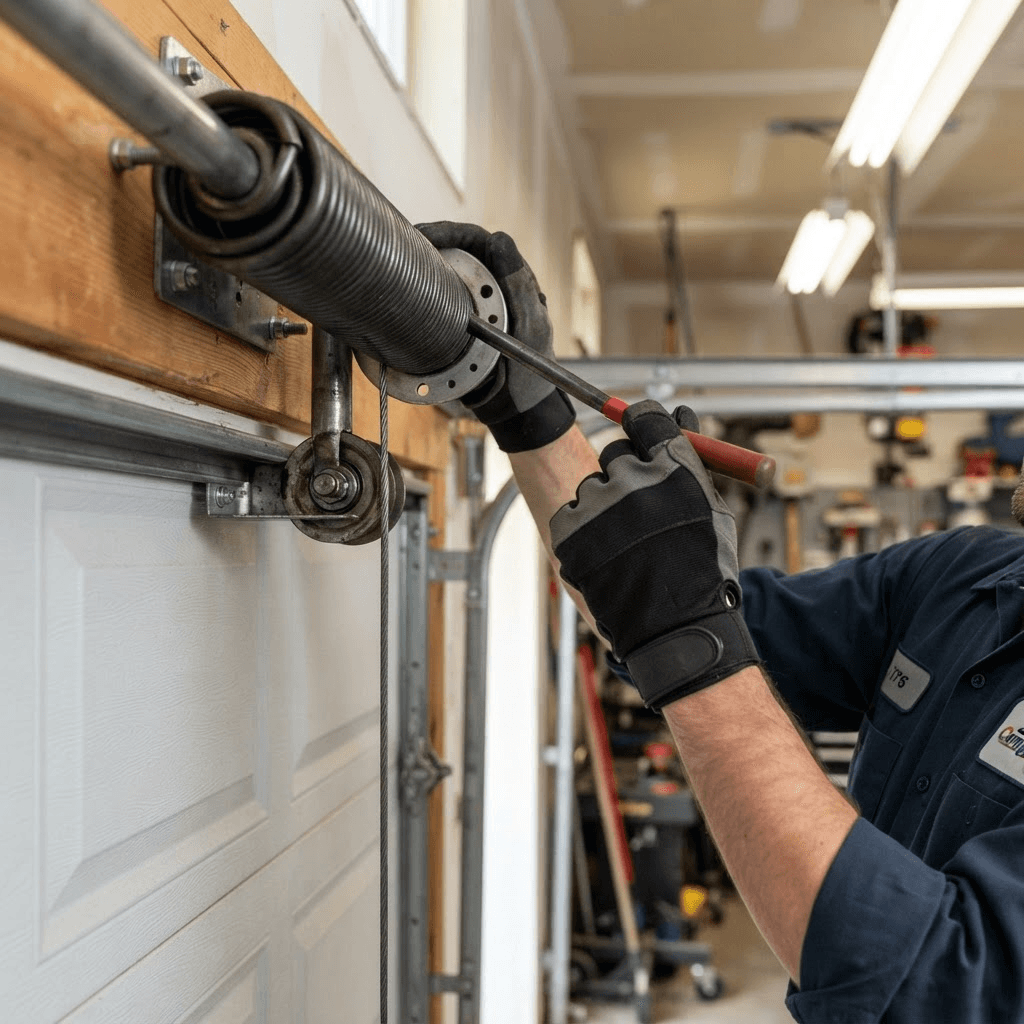
If you’re a homeowner in Naples or Southwest Florida, few things disrupt your day like a garage door that suddenly won’t open. One of the most common—yet often overlooked—culprits is spring failure. Recognizing early signs can prevent serious safety hazards and save you money on repairs. This guide focuses on spring failure specific to our region’s climate and what homeowners should watch for.
With the constant cycles of heat, humidity, and even salt air exposure, garage door springs in Southwest Florida face unique stresses. Understanding how these conditions affect your springs and knowing the early warning signs will keep your door operating safely and smoothly all year.
Why Spring Failure Is a Southwest Florida Issue
In our region, garage door springs are subject to daily temperature swings, high humidity, and salt-laden air—especially near the coast. These elements speed up the wear and rusting of metal. Add in the high frequency of door use and you have a recipe for early spring fatigue. Homeowners often assume a stuck door means a problem with the opener, but failing springs are just as likely—if not more so—especially in older installations.
Warning Signs of Spring Trouble You Shouldn’t Ignore
- Your garage door feels much heavier or is harder to lift manually
- The door opens partway, then stops (or reverses direction)
- You notice a loud bang in the garage (often when the spring breaks)
- Visible gaps in the spring coil or stretched, sagging springs
- Creaking, popping, or grinding noises as the door operates
- The door appears crooked or uneven as it moves
How Naples & SW Florida Conditions Affect Garage Door Springs
Unlike other places, our mix of moisture, heat, and salt air means rust and corrosion set in quickly. Springs lose their strength faster and may even break unexpectedly. After hurricane season, springs are also more likely to be stressed from being cycled repeatedly while securing the home. If your garage faces the Gulf or you live within a few miles of the coast, springs should be inspected at least once a year for corrosion and wear.
Visual Inspection: What to Look For
- Stand inside your garage with the door closed. Look at the springs above the door opening (torsion) or each side (extension).
- Check for any visible stretching, gaps in the coils, or uneven spacing.
- Look for orange or reddish rust marks. Rusted coils are weaker and more likely to snap.
- Listen as you open and close the door: note any popping, creaking, or squealing noises from the springs area.
- Never touch or try to adjust the springs yourself—broken or loose springs are extremely dangerous.
When Should Springs Be Replaced?
Most garage door springs are rated for 10,000 cycles (one cycle = one open and close), which typically means 7-10 years of service for an average family. But in SW Florida, it’s not unusual for springs to fail sooner due to corrosion and climate stress. If you’re noticing any warning signs described earlier—or if your springs are over 7 years old—it’s wise to have them inspected and potentially replaced proactively. Replacing both springs at once is usually recommended to ensure balanced operation.
Extending Spring Lifespan: Local Maintenance Tips
- Schedule a yearly inspection and lubrication by a professional
- Keep the area above the door clean and dry to prevent moisture buildup
- Ask your garage door technician about corrosion-resistant or coated springs
- After major storms or hurricanes, check that your door operates smoothly and isn’t straining or jerking
“In Southwest Florida, it’s not just wear and tear—our environment is tough on garage door springs. Even a little rust can mean failure is around the corner, so routine inspection is key.”
What to Do if You Suspect a Spring Issue
If you notice unusual noises, imbalance, or any of the visual signs above, stop using your garage door immediately. Not only could continued operation damage your opener, it may put your safety at risk. Contact a local professional who can assess the condition safely and recommend the right repair. Remember: in our climate, prompt attention prevents bigger headaches down the road.
Frequently asked questions
How long do garage door springs last in Southwest Florida?
Springs typically last 7–10 years, but coastal climate, salt air, and frequent use can shorten their lifespan. Annual inspections help catch early issues.
Can I lubricate my garage door springs myself?
While you can apply a small amount of garage-specific lubricant to springs (avoid WD-40), it’s safest to let a technician handle thorough maintenance, especially if any rust or damage is present.
What should I do if a garage door spring breaks?
Stop using the door immediately and do not attempt repairs yourself. Broken springs are under high tension and attempting a fix can cause injury—call a garage door professional.
Does salt air make springs fail faster?
Yes. Salt air accelerates rust and wear, leading to premature spring failure. Corrosion-resistant springs are recommended in coastal or humid areas like Naples and Southwest Florida.
Is it necessary to replace both springs if only one is broken?
Replacing both springs at the same time is highly recommended for balanced and reliable operation, since the working spring is usually near the end of its lifespan as well.
This article provides general information and is not a substitute for a professional garage door inspection. For guidance specific to your home, contact Titan Garage Door Service & Repair LLC.