
Why Garage Door Springs Fail Early in Naples—and How to Prevent It
Learn why garage door springs wear out faster in Southwest Florida, spot warning signs, and discover expert tips to prevent unexpected failures in Naples’ climate.
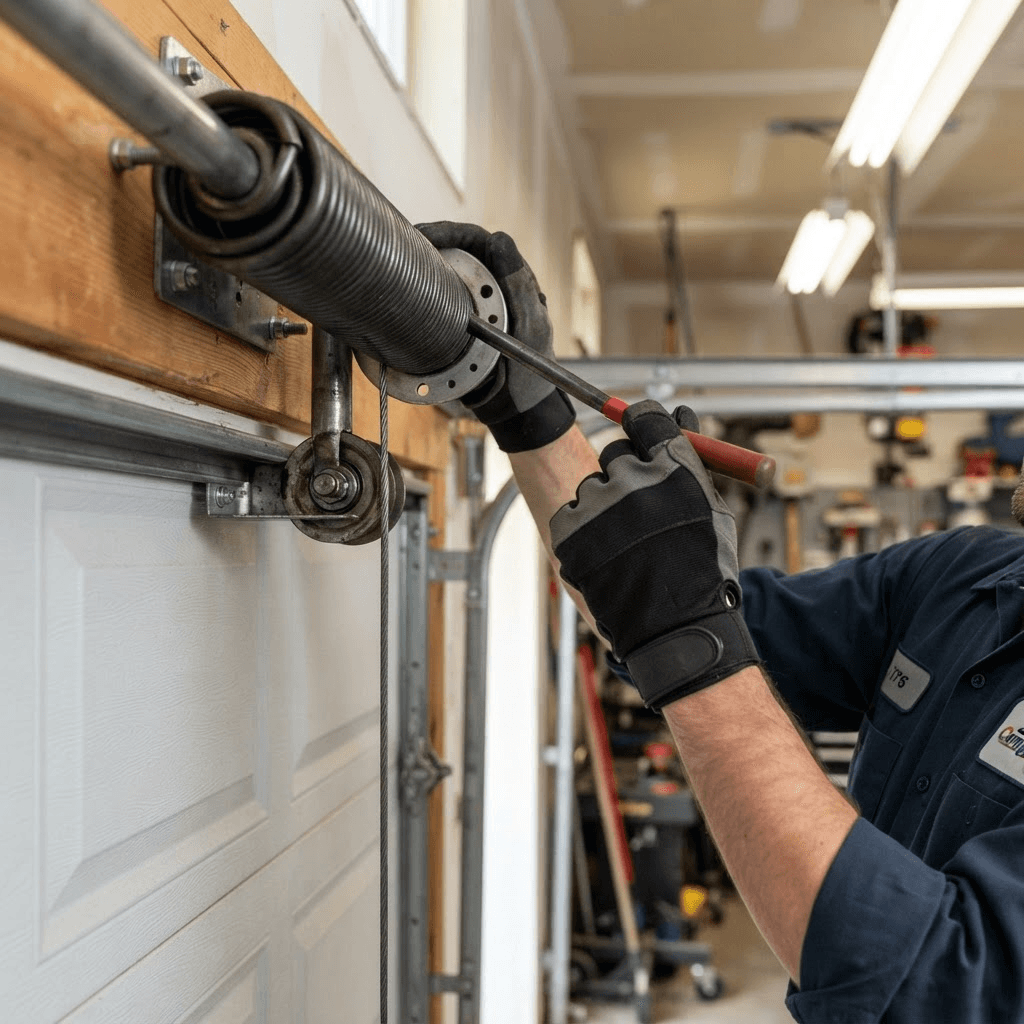
Few homeowners in Naples and Southwest Florida realize just how hard their garage door springs work—until one fails unexpectedly. In our coastal, humid, and hurricane-prone region, garage door springs face unique challenges that can shorten their lifespan and put your home’s security at risk. Understanding why these springs give out—and how to protect them—can save you from inconvenient breakdowns and costly emergency repairs.
This guide offers insights into why springs fail early here, what signs to watch for, and practical, expert-backed steps to help your garage door system last longer under Southwest Florida’s demanding conditions.
How Southwest Florida’s Climate Wears on Garage Door Springs
Garage door springs are under constant tension, supporting hundreds of pounds each time you open or close the door. In Naples, extreme humidity and salty air accelerate rust and corrosion, while year-round heat weakens spring metal through constant expansion and contraction. Salt carried by ocean breezes can eat away at even the most durable steel, causing pits and cracks that lead to sudden breakage. Add hurricane season’s high winds and stress, and it’s no wonder springs fail early here.
Top Warning Signs Your Garage Door Springs Are at Risk
- Door opens unevenly or only a few inches before stopping.
- Loud banging sound from the garage (spring snapping).
- Visible gaps or rust on the spring coils.
- More effort or noise than usual when opening the door.
- Loose or sagging cables alongside the tracks.
Don’t ignore these signs! A failed spring can trap your vehicle, damage your opener, or even cause injury if the door falls unexpectedly.
How to Maintain Garage Door Springs in Naples’ Coastal Environment
- Visually inspect springs monthly for rust, wear, and misalignment.
- Apply a garage door-approved silicone or lithium spray lubricant every 3-4 months—avoid regular WD-40, which can strip away protective oils.
- Wipe away salt or grime buildup with a dry cloth.
- Test door balance twice a year by disconnecting the opener and manually lifting the door halfway—if it slips, call a tech.
- Schedule pro tune-ups annually, ideally before and after hurricane season.
How Often Should Garage Door Springs Be Replaced in Southwest Florida?
While standard garage door springs are rated for 7 to 9 years under ideal conditions, homes in Naples may see spring life shortened to as little as 4 to 6 years due to climate factors. The good news is that preventive care and corrosion-resistant upgrades can extend their usefulness.
“"We see dozens of early spring failures every month—nearly all could have been prevented with some simple seasonal maintenance and regular professional checks."”
Upgrading to Weather-Resistant Springs: Worth It?
If you’re tired of dealing with frequent spring failures or want extra protection heading into hurricane season, consider investing in weather-resistant, powder-coated, or stainless-steel springs made for coastal homes. Though a bit pricier, these options are designed to withstand salt, humidity, and heat—offering peace of mind and fewer repairs in the long run.
When to Call a Professional for Garage Door Spring Service
- You notice sluggish or noisy operation.
- There’s visible rust, gaps, or coils out of alignment.
- Your spring hasn’t been checked in a year or more.
- You’re heading into hurricane season and want to be sure your garage door is storm-ready.
- You’ve experienced a recent door or opener malfunction.
Frequently asked questions
Can I safely lubricate my own garage door springs in Southwest Florida?
Yes, homeowners can apply garage-specific silicone or lithium-based lubricants to the springs, hinges, and rollers every 3-4 months. Avoid getting lubricant on the tracks or using automotive grease, as this can attract more grit and salt.
What’s the most common cause of garage door spring failure in Naples?
Corrosion from salt air and humidity is the leading culprit, followed by general wear from frequent use in our year-round climate.
Is it worth upgrading to corrosion-resistant springs?
For coastal or beachfront homes—or anyone seeking fewer repairs—yes. Stainless steel or powder-coated springs last significantly longer in Naples’ humid, salty environment.
How do I know if a spring is about to break?
Look for gaps in the coil, red/orange rust, loud creaks, a sagging cable, or a door that jerks or doesn’t stay open. If you spot any of these, call a pro before the spring fails completely.
How often should springs be professionally checked in Naples FL?
Ideally, have a technician inspect and service your springs at least once a year, and always before hurricane season, to ensure safe, reliable operation.
This article provides general information and is not a substitute for a professional garage door inspection. For guidance specific to your home, contact Titan Garage Door Service & Repair LLC.