
Why Is My Garage Door So Loud? Common Causes, Fixes, and When to Call a Pro
A noisy garage door is almost always trying to tell you something. Learn what grinding, squeaking, rattling, and banging really mean — and how to quiet your door for good.
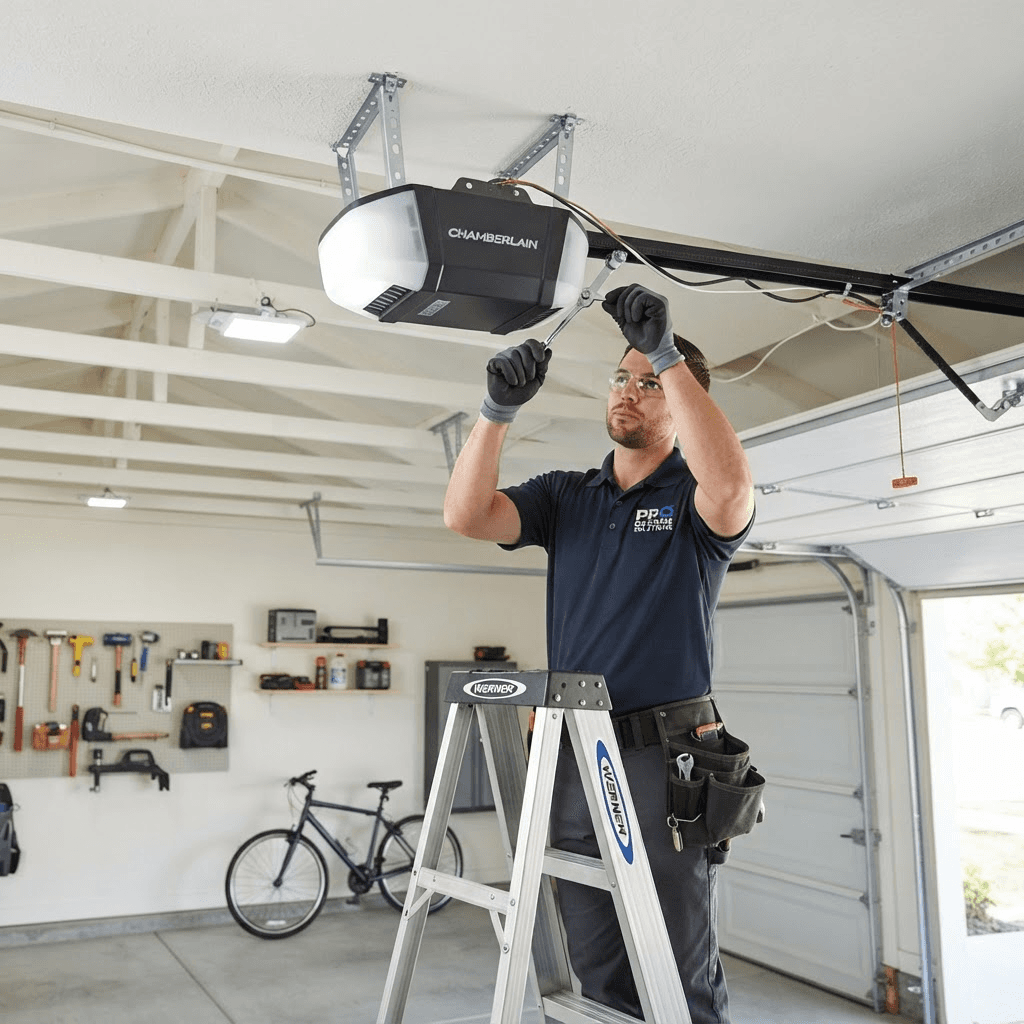
A garage door should open and close with a smooth, steady hum — not a symphony of squeals, grinds, rattles, and bangs. If yours has started sounding like it belongs in a horror movie, it's not just annoying your family and neighbors. It's a diagnostic clue. Different noises point to different problems, and learning to decode them can help you catch small issues before they become expensive repairs.
At Titan Garage Door Service & Repair LLC, we've heard just about every garage door sound imaginable across Naples and Southwest Florida. In this guide, we'll break down the most common noises, explain what causes them, walk through the fixes you can safely try, and highlight the situations where it's time to call a professional. By the end, you'll know exactly what your door is trying to tell you.
First, Listen Closely: What Kind of Noise Is It?
The key to diagnosing a loud garage door is identifying the type of sound and when it happens. Does it squeak throughout the entire travel, or only at a certain point? Does it grind when the opener engages? Does it rattle as the door moves, or bang once loudly? Pay attention to these details — they narrow down the cause dramatically.
Squeaking and Squealing
A high-pitched squeak or squeal is one of the most common complaints, and thankfully one of the easiest to address. It's usually caused by friction — metal rollers, hinges, and springs that have dried out and are rubbing against each other or their tracks. In Southwest Florida's humid, salty air, lubricant breaks down and metal parts are prone to corrosion, so squeaking tends to appear faster here than in drier climates.
The Fix
Applying a proper garage-door lubricant to the rollers, hinges, springs, and bearing plates often silences a squeak immediately. Avoid using generic all-purpose oils or degreasers — they can attract dirt and actually make things worse over time. A dedicated garage door lubricant (typically a silicone- or lithium-based product) is the right choice. If lubrication doesn't help, the rollers themselves may be worn out and need replacement.
Rattling and Vibrating
If your door rattles or vibrates as it moves, the most likely culprit is loose hardware. The constant motion of the door gradually works nuts, bolts, and screws loose over months and years. Rattling can also come from a loose chain on the opener or from the tracks themselves shaking against their mounts.
The Fix
Carefully tightening the bolts and screws on the hinges, brackets, and track mounts with a socket wrench can eliminate a lot of rattling. Be careful not to overtighten, which can strip the hardware. Important: never touch the bolts on the bottom brackets — those are under spring tension and can be extremely dangerous. If the rattle persists after tightening the safe hardware, or if you're unsure which components are safe to adjust, it's time to bring in a professional.
Grinding and Scraping
Grinding is a sound you shouldn't ignore. It often comes from one of two places. First, worn rollers that no longer spin freely will drag and scrape along the tracks. Second — and more serious — grinding from the opener unit itself usually points to worn or stripped gears inside the motor. Many opener models use a plastic drive gear that eventually wears down, and when it does, you'll hear grinding while the door barely moves or doesn't move at all.
The Fix
Worn rollers can be replaced to eliminate track grinding. A grinding opener, however, typically needs professional attention — either a gear replacement or, if the unit is older, a full opener replacement. Trying to run an opener with stripped gears only causes further damage, so it's best to stop using it and have it evaluated.
A Loud Bang or Pop
A single, sudden bang — loud enough to make you jump — is the most alarming garage door sound, and it demands immediate attention. The most common cause is a broken torsion spring. When a spring under tension snaps, it releases all its stored energy at once with a sound like a firecracker. You may also notice afterward that the door is suddenly very heavy or won't open at all.
Popping or Snapping During Movement
A series of popping or snapping sounds as the door travels usually points to the section hinges or to torsion springs that need lubrication. It can also indicate that the door's sections are flexing more than they should, which may be a sign of alignment or balance issues. Lubricating the hinges and springs is a good first step, but recurring popping is worth a professional inspection to rule out balance problems.
A Simple Maintenance Routine to Keep Your Door Quiet
- Twice a year, lubricate rollers, hinges, springs, and bearings with a garage-door-rated lubricant.
- Inspect and gently tighten visible hardware — never the bottom-bracket bolts under tension.
- Check rollers for wear and consider upgrading old steel rollers to quieter nylon ones.
- Listen during each cycle and note any new sounds so you can catch problems early.
- Schedule an annual professional tune-up to inspect the springs, cables, opener, and balance.
When to Call a Professional
Some noise fixes are perfectly safe for a handy homeowner — lubrication and tightening accessible hardware chief among them. But other sounds signal problems that involve high-tension components or complex opener mechanics. If you hear grinding from the opener, a loud bang, or noises that persist after basic maintenance, or if your door is heavy, uneven, or unsafe, it's time to bring in a trained technician. Attempting repairs on springs, cables, or opener gears without the right tools and experience can lead to serious injury or costly damage.
Quiet Doors Across Naples and Southwest Florida
Titan Garage Door Service & Repair LLC diagnoses and fixes noisy garage doors throughout Naples, Golden Gate Estates, Bonita Springs, Estero, Fort Myers, Cape Coral, and the surrounding Southwest Florida area. Whether your door needs a simple tune-up, new rollers, or an opener repair, our technicians will pinpoint the true source of the noise and restore smooth, quiet operation — with honest, upfront pricing. If your door has started making sounds it didn't used to, reach out and let us help you get the peace and quiet back.
How the Opener Type Changes the Sound
Sometimes a garage door is mechanically healthy but the opener itself is naturally loud. Chain-drive openers are durable and cost-effective, but the moving metal chain can create vibration that travels through the ceiling framing. That vibration is especially noticeable when a bedroom or living space sits above the garage. A loose chain makes the clatter worse, while an overtightened chain can wear the sprocket and internal bearings. Proper adjustment helps, but a chain drive will generally remain louder than a modern belt-drive unit.
Belt-drive openers use a reinforced rubber belt and are usually the quietest conventional choice for an attached garage. Direct-drive and wall-mount jackshaft openers can also reduce overhead vibration because they have fewer moving parts or relocate the motor beside the door. Screw-drive systems have their own recognizable sound and need the manufacturer's recommended lubrication. If quiet operation is the priority, a technician can compare opener styles, horsepower, door weight, ceiling height, smart features, and battery backup rather than simply installing the most powerful motor available.
The way the opener is mounted also matters. Metal-to-metal mounting can transmit vibration into ceiling joists, while properly installed vibration-isolation components may reduce resonance. However, soundproofing hardware should never be used to hide an imbalanced door. The springs must carry the door's weight first; the opener is designed to guide a balanced door, not haul a heavy one. If disconnecting the opener and moving the door manually reveals stiffness or uneven travel, fix the door before blaming the motor.
Diagnosing Noise by Location and Timing
Stand inside the garage at a safe distance and have another adult operate the door while you listen. A sound near the ceiling motor points toward the opener, rail, chain, belt, or mounting brackets. Noise that moves along the sides of the opening often involves rollers, hinges, or tracks. A sound above the center of the door may involve torsion springs, bearings, or the center support plate. Never place your hands near moving parts, and never climb a ladder beside an operating door.
Timing adds another clue. Noise only at startup may come from opener strain, sticky weather seals, or a door that has settled tightly against the floor. A scrape at the same height every cycle may indicate a bent track section, damaged roller, or protruding fastener. Noise near full opening can relate to travel limits or loose overhead track supports. A thump when closing may be a deteriorated bottom seal or incorrect close limit. Write down when and where the sound occurs; this information helps a garage door repair technician diagnose the issue efficiently.
Florida Climate Problems That Make Doors Louder
Naples homeowners deal with heat, humidity, blowing sand, frequent rain, and salt carried inland from the Gulf. These conditions affect moving hardware. Salt residue promotes surface corrosion on steel rollers, hinges, tracks, springs, and fasteners. Fine grit sticks to excess lubricant and creates an abrasive paste. Heat can harden old nylon components and weather seals, while humidity swells unfinished wood doors and trim. A door that runs quietly in winter may complain during the wet summer season because materials expand and friction increases.
The solution is not to spray every visible part with more oil. Clean accessible track surfaces with a dry cloth, use lubricant sparingly on the components specified by the door manufacturer, and keep the photo-eye lenses free of dust. Tracks generally need to be clean and aligned rather than greasy. Heavy grease inside the tracks attracts debris and can interfere with roller movement. Coastal homes may benefit from corrosion-resistant replacement hardware and more frequent maintenance intervals than inland homes.
What a Professional Garage Door Tune-Up Includes
A thorough tune-up goes beyond spraying lubricant. The technician inspects panels, hinges, rollers, tracks, brackets, cables, drums, bearings, springs, weather seals, and opener attachment points. Safe fasteners are tightened, moving components are lubricated correctly, and worn rollers or hinges are identified. The door is disconnected from the opener for a manual balance test, revealing spring issues the motor can hide. Cables are checked for fraying and correct drum alignment, and tracks are evaluated for damage or improper spacing.
The opener portion includes travel limits, force settings, remote operation, wall control, keypad, chain or belt condition, mounting, and safety reversal. Photo eyes should be aligned and tested with the door, while the mechanical reversal test confirms the door responds properly to an obstruction. The technician should explain which noise was normal, which component was causing the problem, and whether a repair is urgent or can be planned. That transparency lets you prioritize maintenance without replacing parts that still have useful life.
Frequently asked questions
Is a noisy garage door dangerous?
Not always, but some noises — especially grinding from the opener or a loud bang — signal problems that can become dangerous or cause further damage if ignored. It's best to identify the cause promptly.
What kind of lubricant should I use on my garage door?
Use a lubricant made specifically for garage doors, typically silicone- or lithium-based. Avoid generic oils and degreasers, which can attract dirt and worsen the problem.
Why does my garage door only get loud in certain weather?
Temperature and humidity changes affect metal parts and lubricant. In Southwest Florida's climate, humidity and salt air can accelerate corrosion and dry out lubricant, so noise often appears or worsens seasonally.
Can Titan quiet a door that's always been loud?
Yes. In many cases a tune-up, fresh lubrication, new nylon rollers, and hardware adjustments make a dramatic difference. If the opener or springs are the source, we can repair or upgrade those as well.
This article provides general information and is not a substitute for a professional garage door inspection. For guidance specific to your home, contact Titan Garage Door Service & Repair LLC.